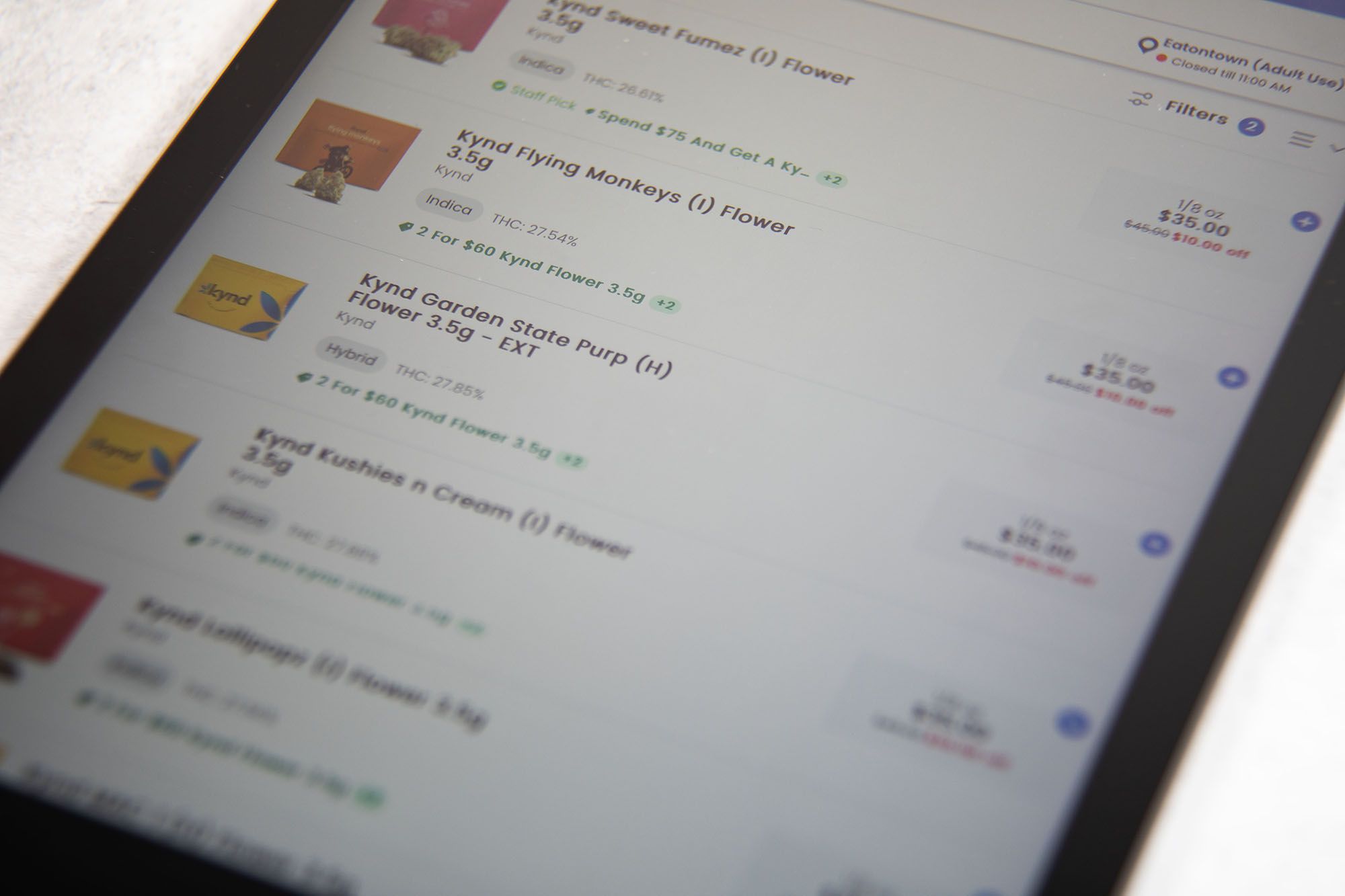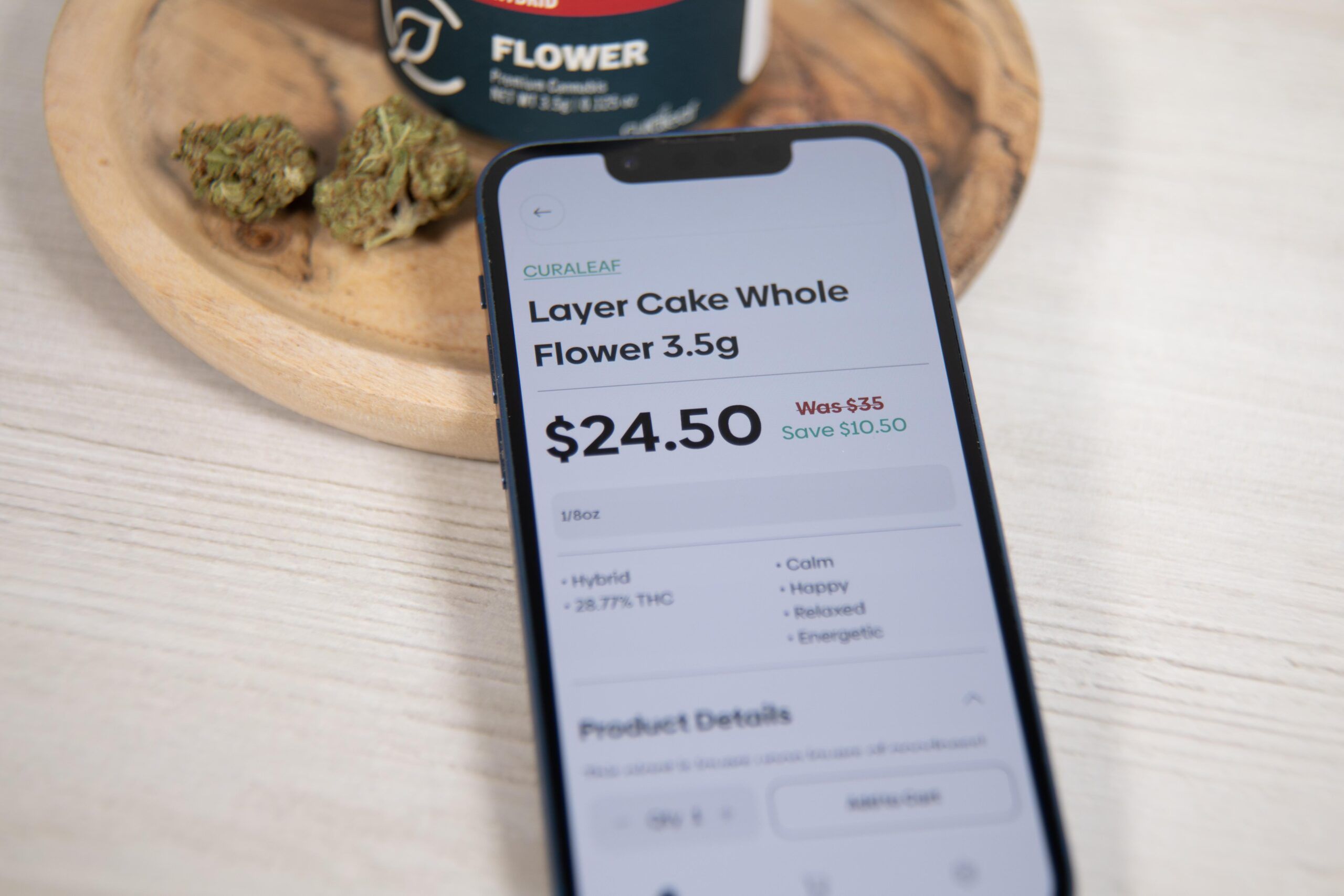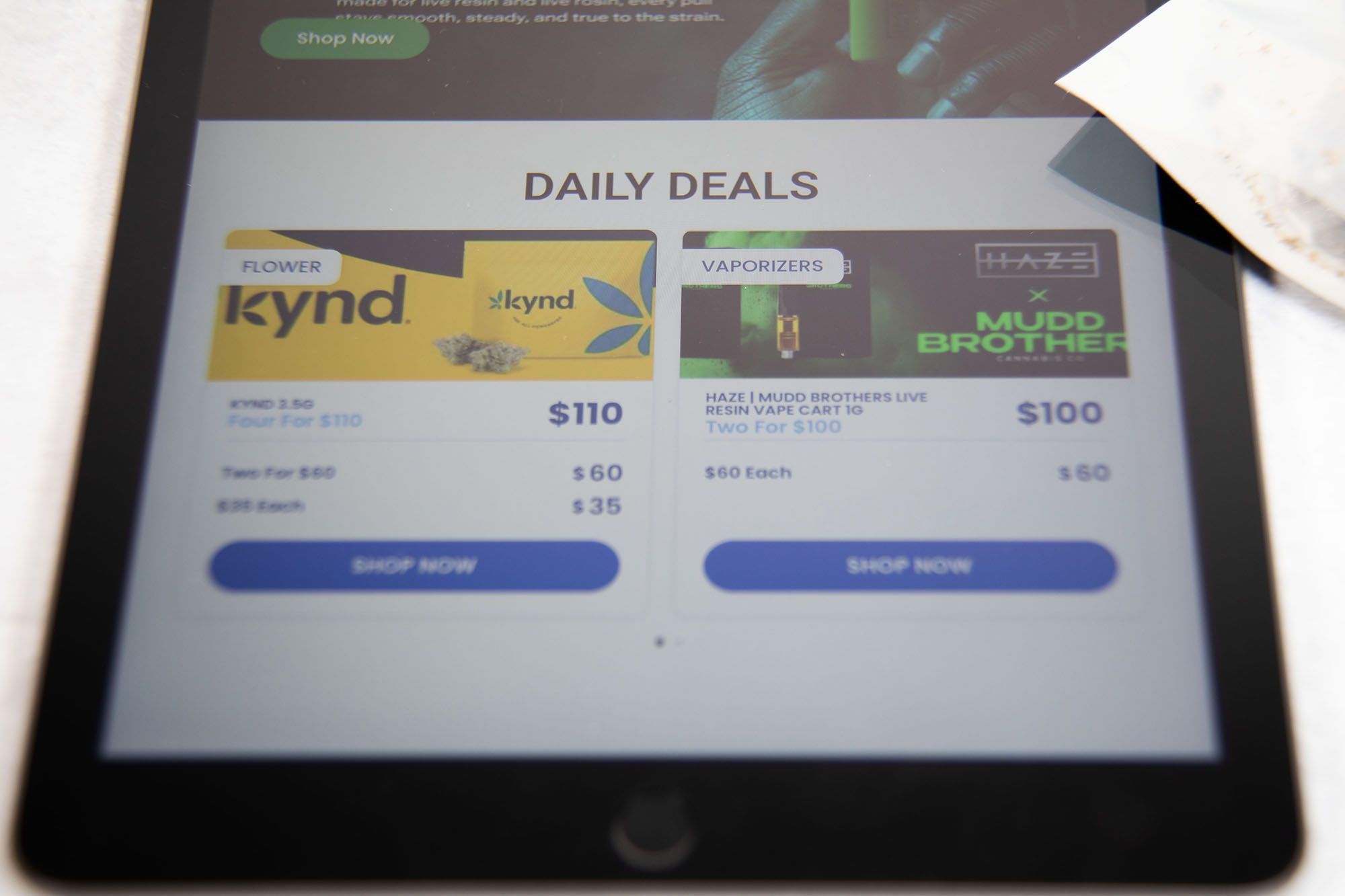
As cannabis retail technology evolves, the push for inclusivity is more important than ever. Digital menus, while convenient and data-rich, can unintentionally alienate certain users—particularly those with visual impairments or neurodiverse conditions such as ADHD, dyslexia, or autism. For dispensaries aiming to provide equitable access to their product catalog, it’s crucial to design cannabis menus that are not only intuitive but also universally accessible.
Why Inclusive Design Matters in Cannabis Retail
The cannabis industry has long championed wellness and healing. Yet for many consumers who rely on cannabis for relief, navigating a digital menu can be a source of frustration. Individuals with low vision, color blindness, or sensitivity to sensory overload may struggle with poorly designed interfaces. Neurodiverse users may become overwhelmed by cluttered layouts, too many options, or rapid pop-ups.
An inclusive cannabis menu acknowledges these challenges and provides thoughtful solutions, making dispensaries not only more user-friendly but also compliant with accessibility guidelines such as the Americans with Disabilities Act (ADA) and the Web Content Accessibility Guidelines (WCAG).
Design Strategies for Visually Impaired Users
1. High Contrast and Scalable Fonts:
Ensure that text stands out against backgrounds, using a minimum contrast ratio of 4.5:1. Offer users the ability to enlarge text without disrupting the layout. Font styles should be sans-serif and clean—Helvetica, Arial, and Verdana are good choices.
2. Screen Reader Compatibility:
Menus should be coded with ARIA (Accessible Rich Internet Applications) labels and semantic HTML to allow screen readers to interpret buttons, categories, and product descriptions accurately. Alt-text should be included for product images and icons.
3. Keyboard Navigation:
Make sure all functions on the menu can be accessed using only a keyboard. This allows individuals with mobility impairments or those who cannot use a mouse to still navigate the system effectively.
Neurodiversity-Aware Menu Features
1. Minimalist, Predictable Layouts:
Neurodiverse users often respond better to menus that are visually simple, consistent, and free of distractions. Avoid autoplay videos, flashing elements, or auto-rotating carousels. Instead, use static content blocks and clear hierarchy with easy-to-scan headers.
2. Customizable Filters and Preferences:
Let users set preferences that tailor the menu experience to their cognitive comfort. For example, users could toggle on “focus mode,” which reduces menu options, hides pricing noise, or simplifies terminology.
3. Descriptive, Jargon-Free Language:
Replace product slang and abbreviations with plain, descriptive terms. Instead of “gas-heavy indica,” say “relaxing strain with earthy aroma.” Use tooltips or toggles for users to get more detailed information only if desired.
Real-World Applications and Technology
Some cannabis e-commerce platforms, like Dispense and Dutchie, are beginning to explore accessibility features, but there’s still a long way to go. Forward-thinking dispensaries can take the lead by working with UX designers who specialize in accessible technology or by conducting user testing with members of the visually impaired and neurodiverse communities.
Voice-controlled interfaces, like kiosk systems with Alexa-style integration, and text-to-speech QR codes on printed menus, also hold promise for expanding accessibility.
Read a review on Dispense here.
The Business Case for Accessibility
Aside from ethical responsibility, accessible cannabis menus improve customer loyalty, broaden your reach, and minimize the risk of non-compliance lawsuits. With a growing consumer base that includes patients with disabilities, an accessible design is not a luxury—it’s a necessity.
As cannabis retailers invest in digital transformation, inclusive design should be baked into the strategy—not added as an afterthought. By creating menus that everyone can use comfortably, dispensaries live up to the true mission of the cannabis movement: wellness, relief, and care for all.